Amalia Country Font: Elegant Script for Creative Projects
There’s something about the way Amalia Country flows that feels like a warm hug. I was working on a set of candle labels the other day, and as I typed out the scent names in this script font, it transformed the simple labels into something special. It wasn’t just a font—it felt like an extension of my creative process, adding a touch of grace to every label, card, and design.
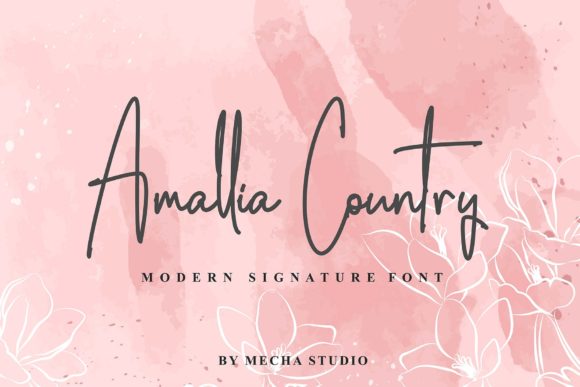
Amalia Country is a premium script font that blends classic elegance with modern flair. Its delicate swashes and fluid curves give it a timeless charm, making it perfect for handmade products that need a personal, artisanal feel. Whether I’m designing greeting cards or planning a seasonal sign, this font always brings a sense of sophistication without being too formal.
Using Amalia Country for Handmade Labels and Packaging
One of my favorite uses for Amalia Country is on product labels. I’ve used it for candle jars, soap bottles, and even small gift tags. The font works well with both minimalist and decorative designs, allowing me to balance detail with clarity. When I’m printing labels for my shop, I make sure to test the font at different sizes to ensure it remains readable, especially on small stickers or packaging.
I also love using Amalia Country for boutique packaging. A little text on a box or bag can elevate the whole presentation. For example, I recently designed a set of holiday gift boxes with custom labels featuring the font. The result was a cohesive look that felt both professional and heartfelt.
Amalia Country for Greeting Cards and Invitations
When I’m creating greeting cards, Amalia Country adds a personal touch that makes each piece feel unique. I often pair it with a clean sans serif font for the body text, letting the script shine on the title or key message. This font works especially well for birthday cards, thank-you notes, and wedding invitations, where a little extra style goes a long way.
For wedding stationery, I’ve used Amalia Country on welcome signs and ceremony programs. The font’s softness complements the romantic mood of the event, while its legibility ensures that guests can read the details clearly. It’s also great for handwritten-style elements, like address labels or RSVP cards.
Amalia Country for Digital Printables and Shop Branding
As a printable creator, I rely on fonts that are versatile and easy to use. Amalia Country fits the bill perfectly. I’ve used it in printable wall art, planner pages, and digital templates. Its elegant style pairs well with both modern and rustic themes, making it a go-to choice for many of my designs.
When building my shop branding, I’ve used Amalia Country for logo elements and social media graphics. It gives my brand a consistent, polished look that feels authentic and approachable. I always check the font’s commercial licensing before using it for printables or merchandise, to make sure I’m following the right guidelines.
Pairing Amalia Country with Other Fonts
Font pairing is an important part of any design project. I often pair Amalia Country with a simple serif or sans serif font to create contrast and balance. For example, when designing a website header, I might use Amalia Country for the main title and a clean sans serif for the subtext. This combination keeps the design from feeling too busy while maintaining visual interest.
For more casual projects, I sometimes pair Amalia Country with a handwritten font to add a playful element. It’s all about finding the right tone for the project—whether it’s formal, whimsical, or somewhere in between.
Amalia Country for Seasonal and Holiday Designs
During the holidays, I love using Amalia Country for seasonal signs and gift tags. A few words in this font can turn a plain wooden sign into a cozy, festive display. I’ve used it on farmhouse-style signs, Christmas cards, and holiday packaging, and each time it adds a layer of charm that’s hard to replicate with other fonts.
It also works well for digital download templates. I’ve created printable holiday cards and ornament designs that feature Amalia Country, and customers have loved how it adds a personal, handcrafted feel to their projects.
Readability and Practical Tips
While Amalia Country is beautiful, it’s important to consider readability, especially when using it for small text or cutting machines. I always test the font at different sizes and in various formats to make sure it looks good on physical products like stickers, labels, and printed cards.
For Cricut or Silhouette users, I recommend using the font in larger sizes to avoid issues with intricate details. It also helps to preview the font in the design software before sending it to the machine. This way, I can catch any potential problems early on.
When creating mockups or listing images, I make sure to showcase the font in different contexts. This not only highlights its versatility but also helps customers see how it can work for their own projects.
Amalia Country for Product Tags and Boutique Design
On my shop’s product tags, I’ve used Amalia Country to add a touch of class. Whether it’s a simple tag on a handmade soap or a detailed label on a candle, the font adds a level of refinement that customers appreciate. It’s also great for boutique-style signage, where a bit of elegance can make a big difference.
I’ve also used it on tote bags and shirts, where it adds a subtle yet stylish element. The font’s flowing lines work well with both solid colors and patterned fabrics, making it a flexible choice for different types of merchandise.
Final Thoughts on Amalia Country
Amalia Country has become one of my go-to fonts for almost every creative project. From labels and packaging to digital printables and shop branding, it consistently delivers a refined, artistic look. Its versatility and charm make it a valuable addition to any designer’s toolkit, whether you’re a hobbyist or a small business owner.
Whether you're creating handmade products, designing invitations, or building your brand identity, Amalia Country offers a unique blend of beauty and practicality. It’s a font that doesn’t just look good—it feels right for the kind of creative work that matters most to makers and sellers alike.